AI Proficiency in Higher Ed Institutions
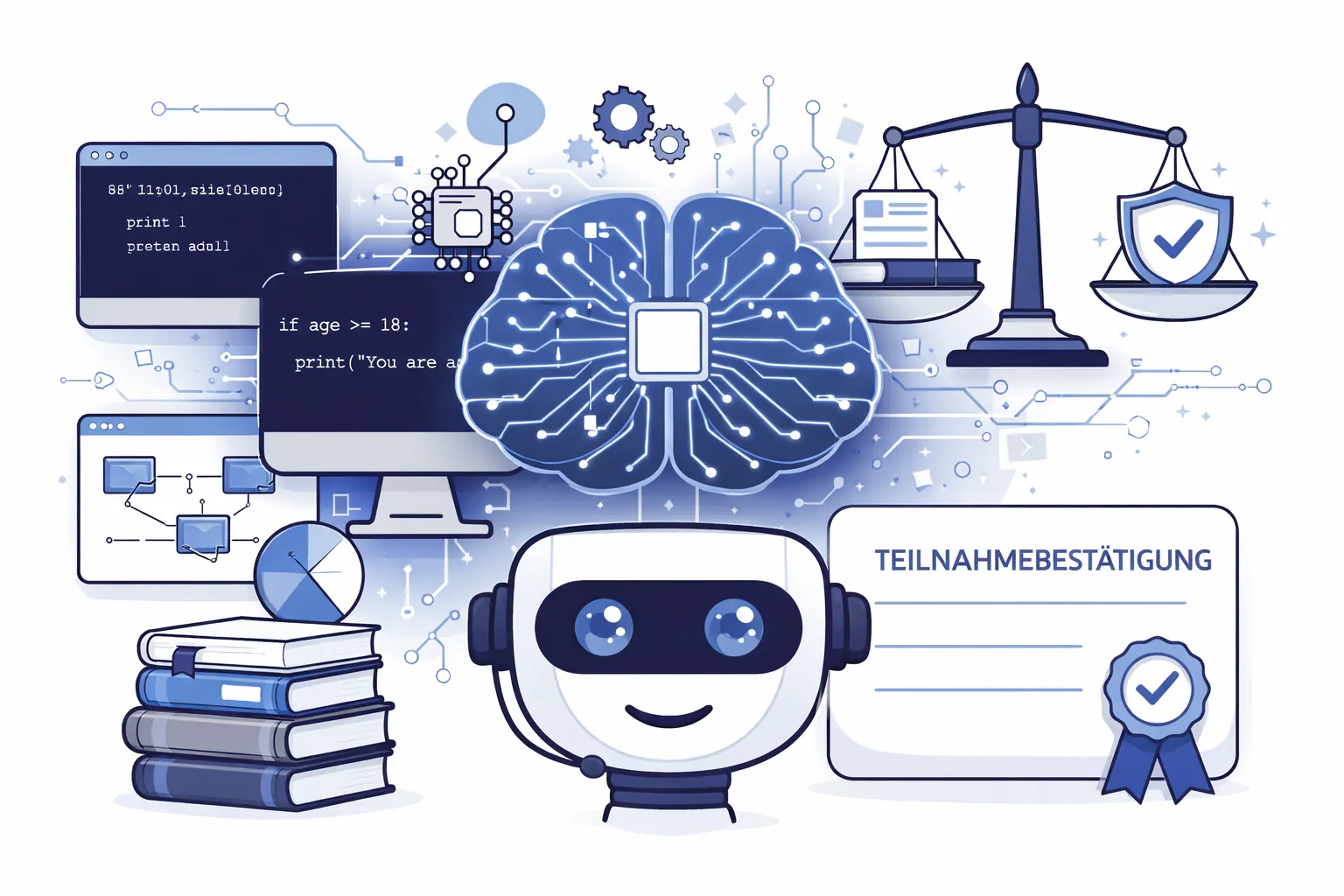
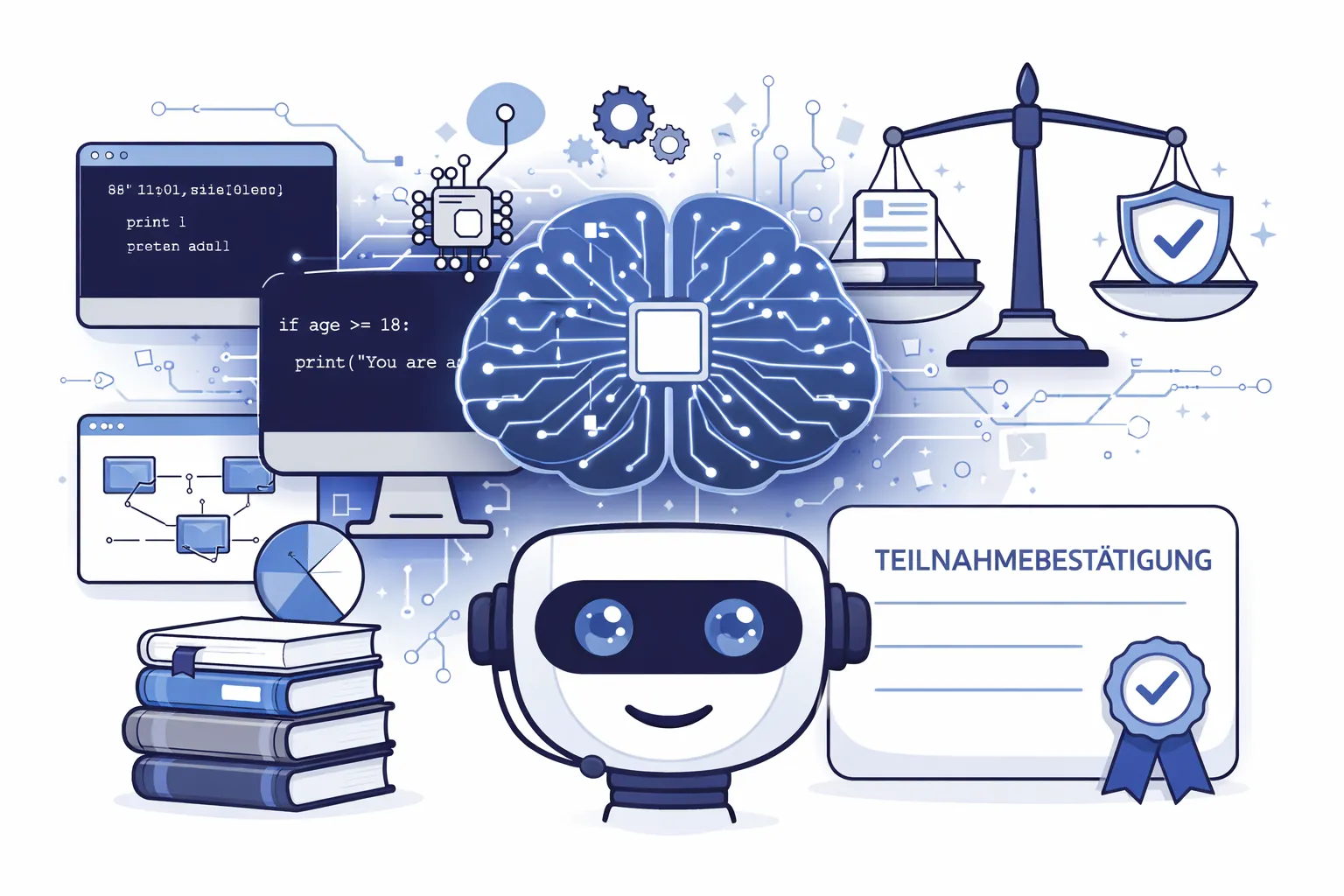
Artificial Intelligence (AI) has long since made its way onto campus – in research, teaching and administration. Whether it be automated exam marking, AI-supported counselling or generative tools in everyday student life: the responsible use of AI has become a key challenge for the future of higher education institutions. This course provides practical knowledge on technical fundamentals, ethical issues and legal frameworks – with a particular focus on the new European AI Act. Interactive elements encourage engagement. The course is aimed at university staff from all disciplines who wish to understand, contextualise and use AI competently. It was developed and is provided as a cross-university self-study programme by MMKH in close collaboration with the participating Hamburg universities. Note: This beta version is under continuous development – content and functions are subject to change.
Go to courseWhat to expect
How is Artificial Intelligence changing work at universities—from teaching to administration? This course shows you: practical, understandable, and with many examples from everyday university life. You will get a compact overview of the AI Act, learn about key requirements and opportunities, and find out what responsible AI use can look like in practice. Interactive tasks will help you apply what you have learned directly to your own university practice.
Related courses
Go to course
Go to course
Go to course