Alternative Feedstocks
Alternative Feedstocks
Waste Biomass
For energy utilization, organic components of municipal waste are particularly interesting. These include food waste, garden waste, paper products, or leaf waste. The composition of municipal waste varies significantly depending on geographical location (cities, urban areas) and season.
Waste streams from the food industry are also of interest for biofuel production, such as those from beer, juice, wine, or sugar production, animal processing, or rapeseed pressing. Food waste alone is a significant component of organic waste.
According to a study by the FAO (Food and Agriculture Organization), about 1.3 billion tons of food are wasted worldwide each year, equivalent to approximately one-third of the food produced for human consumption. This waste is rich in organic material and can be converted into biogas or compost through anaerobic digestion or composting.
Garden and leaf waste is seasonal and varies greatly in quantity. It contains high levels of cellulose and lignin, making it suitable for both composting and thermochemical conversion into biofuels.
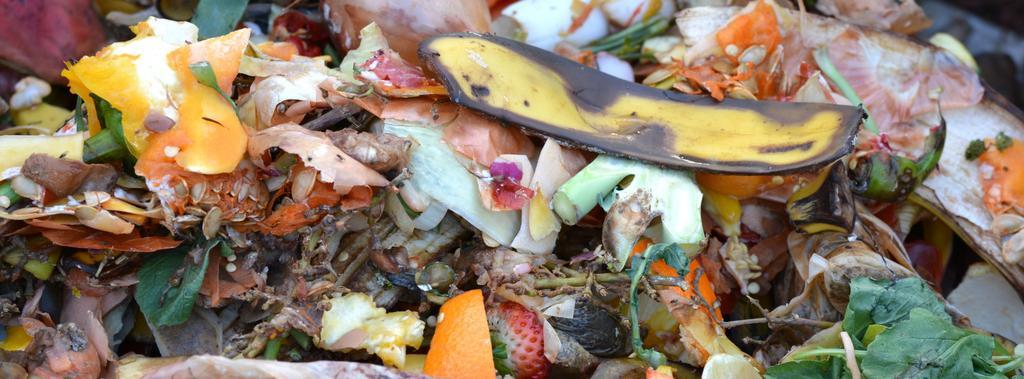
Kitchen wastes by Ben_Kerckx (CC0)
In addition to household waste, waste streams from the food industry are also of interest for biofuel production. These include residues from beer, juice, wine, and sugar production, as well as from animal processing and rapeseed pressing. Beer production generates large amounts of spent grains, a nutritious by-product that can be anaerobically digested to produce biogas. Juice and wine production leave behind pulp and peels, which can also be anaerobically digested into biogas.
As mentioned in previous lessons, sugar production also generates bagasse, the fibrous material left after extracting sugar from sugarcane or sugar beets. Bagasse can be used for energy production through combustion or for biogas production through fermentation.
Also previously mentioned are the large amounts of slaughter waste produced during animal processing, which are rich in fats and proteins. These can be converted into biodiesel using various methods. Finally, rapeseed pressing leaves behind press cake, which can be used as a substrate for biogas production after oil extraction.
The use of waste biomass for energy generation can not only help reduce waste but also promote sustainable energy production.